

Build your brand by reaching millions of consumers while they are browsing the internet
Display ads are visual online advertisements (like banners, images, videos, or animations) that appear on websites, apps, and social media, designed to attract attention and drive users to a specific action, such as visiting a website or making a purchase, often using targeting to reach relevant audiences. These are run on Both Google and Microsoft’s network of websites and apps. They have greater reach but are not as effective as Search ads as they can also be seen people who have no intention to buy.
Although display ads themsleves do not do well in directly generating leads, they are the force that drives the performance of the main lead sources like Search, Social Media, call-ins, walk-ins and direct visits to the website. This is because Display ads play a big role in creating top of mind awareness – they are the billboards of digital marketing.
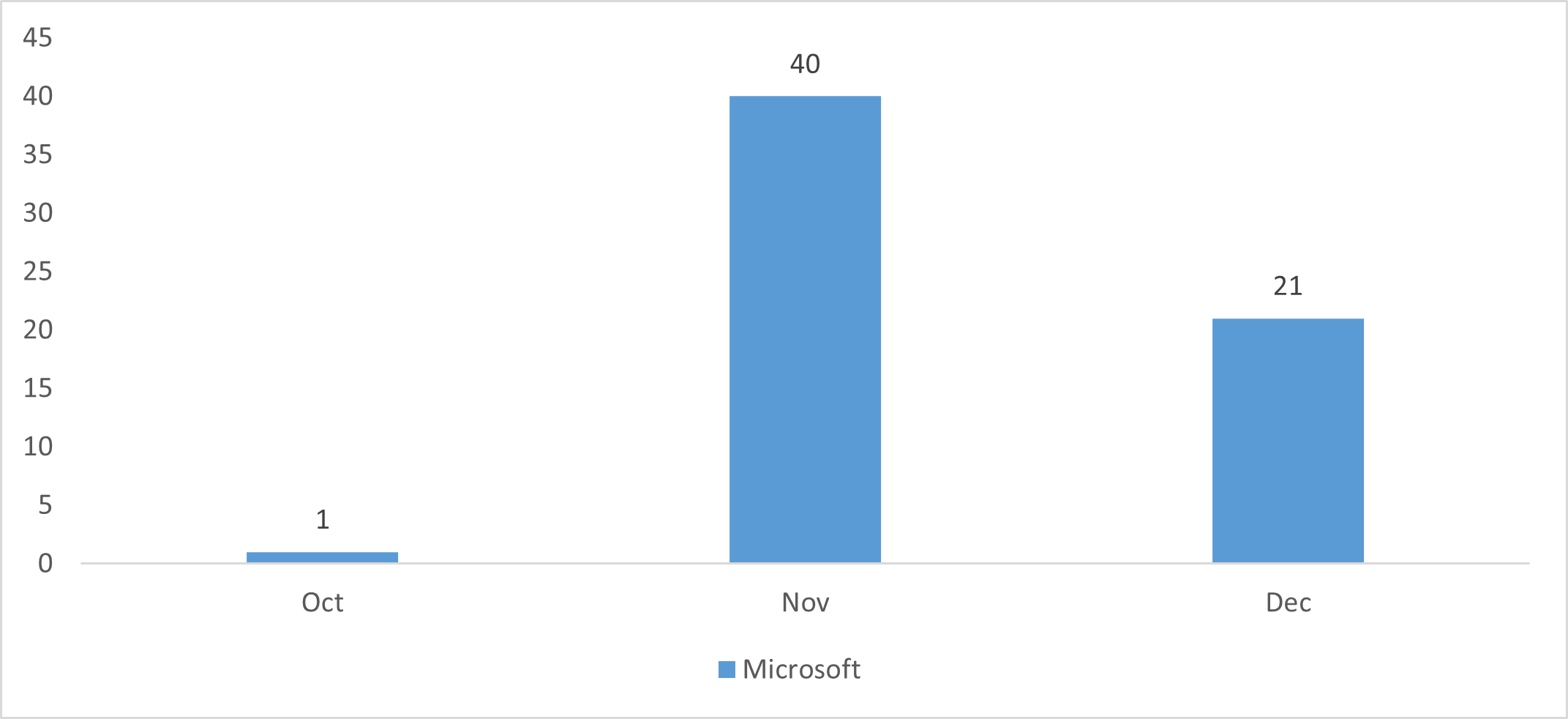
Through Display ads, these are the leads we managed to generate for Bestmed in 2025, or at least the leads that we were able to track. Tracking on Display was also only set up in mid October 2025.
Leads generated by Microsoft display ads
Leads generated by Google display ads
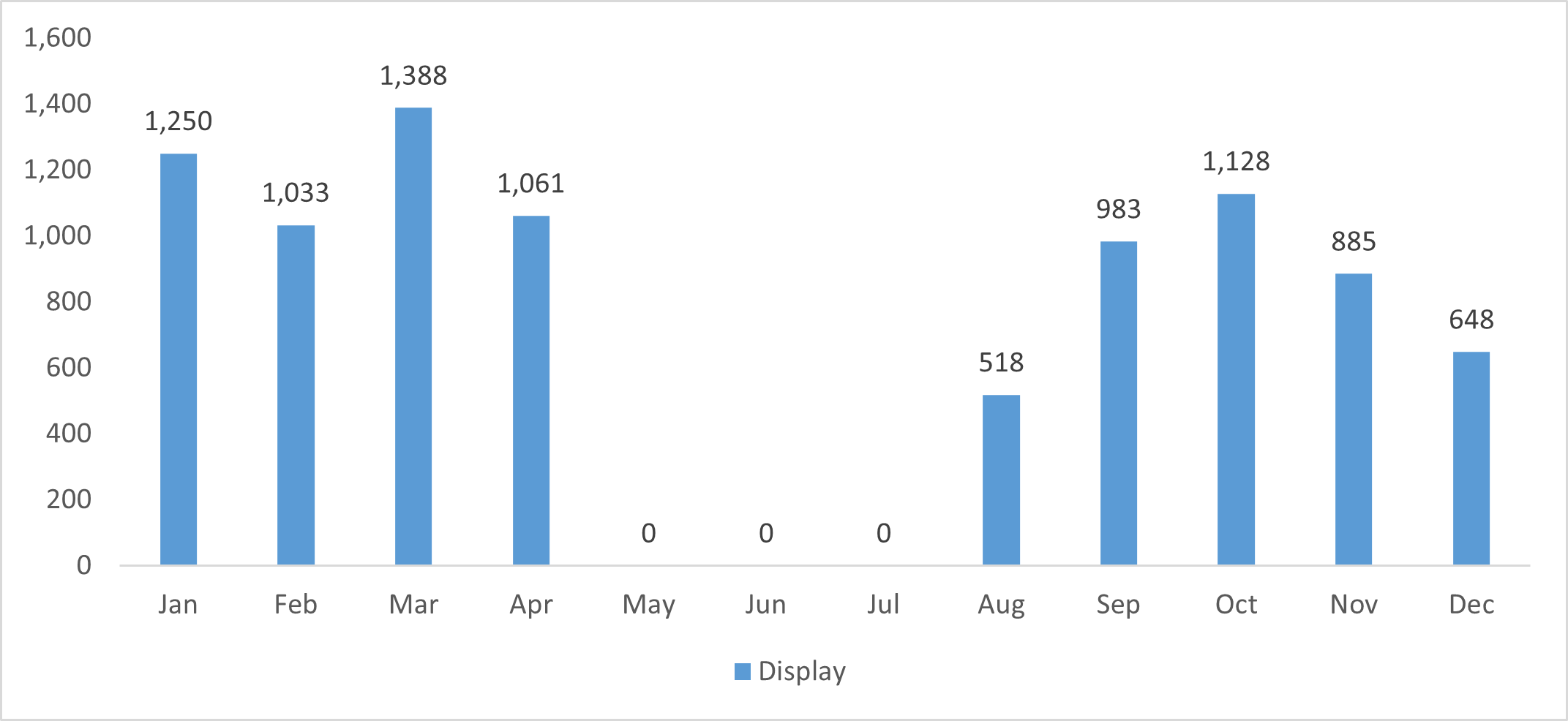
The Google display lead count is listed as received from our agency PHD. If the microsoft display lead count is anything to go by, it is clear that Google display lead count is not correct. Chabz will touch on this a little later in the presentation.
How we achieved our results
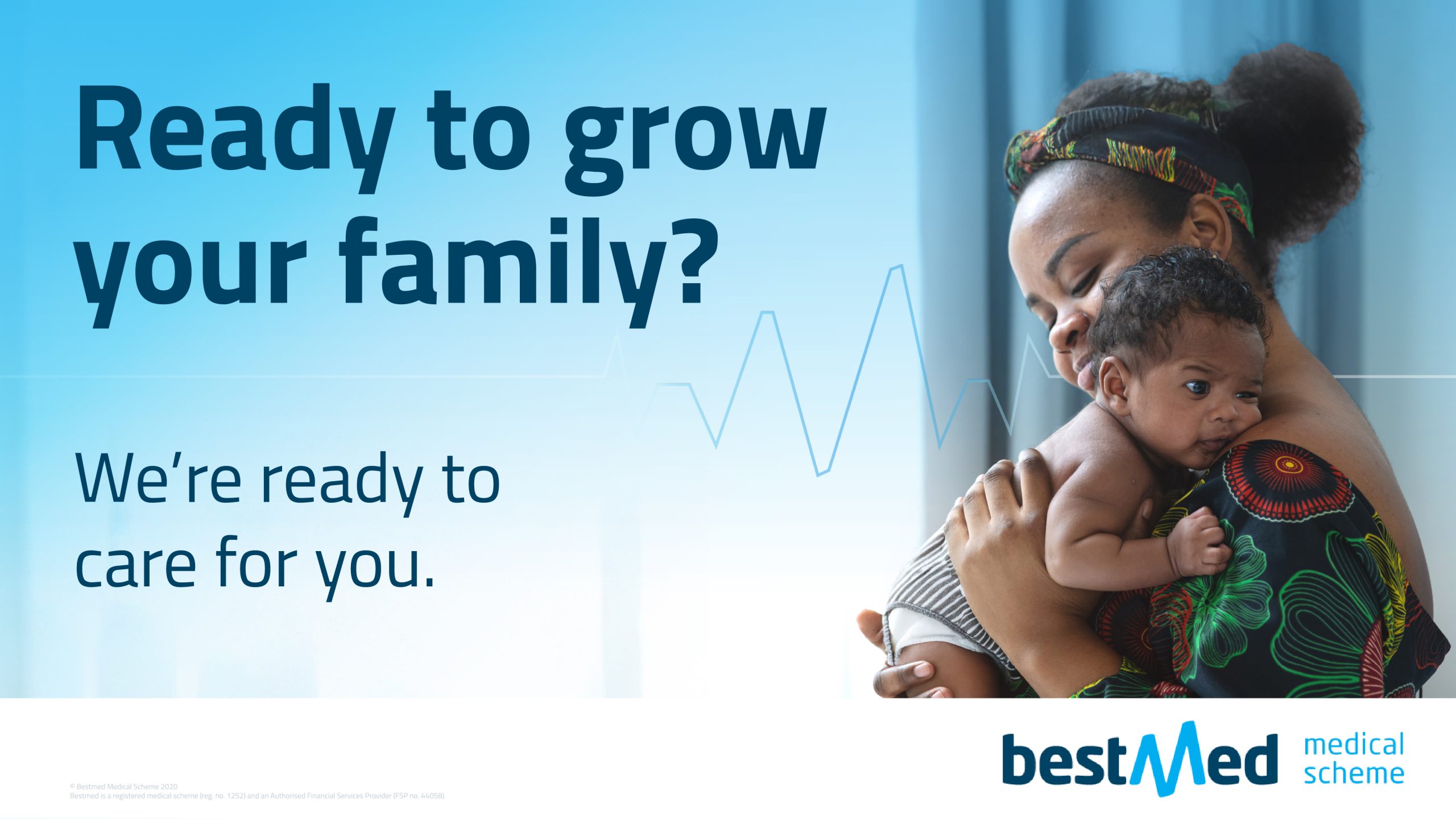
We ran display ads both internally and externally. The internal display ads were ran on Microsft, and the external ads were ran on Google DV360 by our agency PHD. These ads are refreshed every three months with new creatives.
Microsoft display ads



Google display ads


What’s new?
We have done research and discovered how we can track leads on Google display ads. We have been in contact with PHD to send the piece of code that was required to make this possible and walked them through where to find it. They have provided the code. The next step is for us to intall the code on the website and set up the tracking in Google Tag Manager. We will only know if this will work once we have implemented it. For now, it’s still a question mark.